Specialized Pelvic Floor Physcial Therapy in Wayzata, MN
-cozy environment
-door locked for privacy
-safe play space for your littles
-cozy environment
-door locked for privacy
-safe play space for your littles
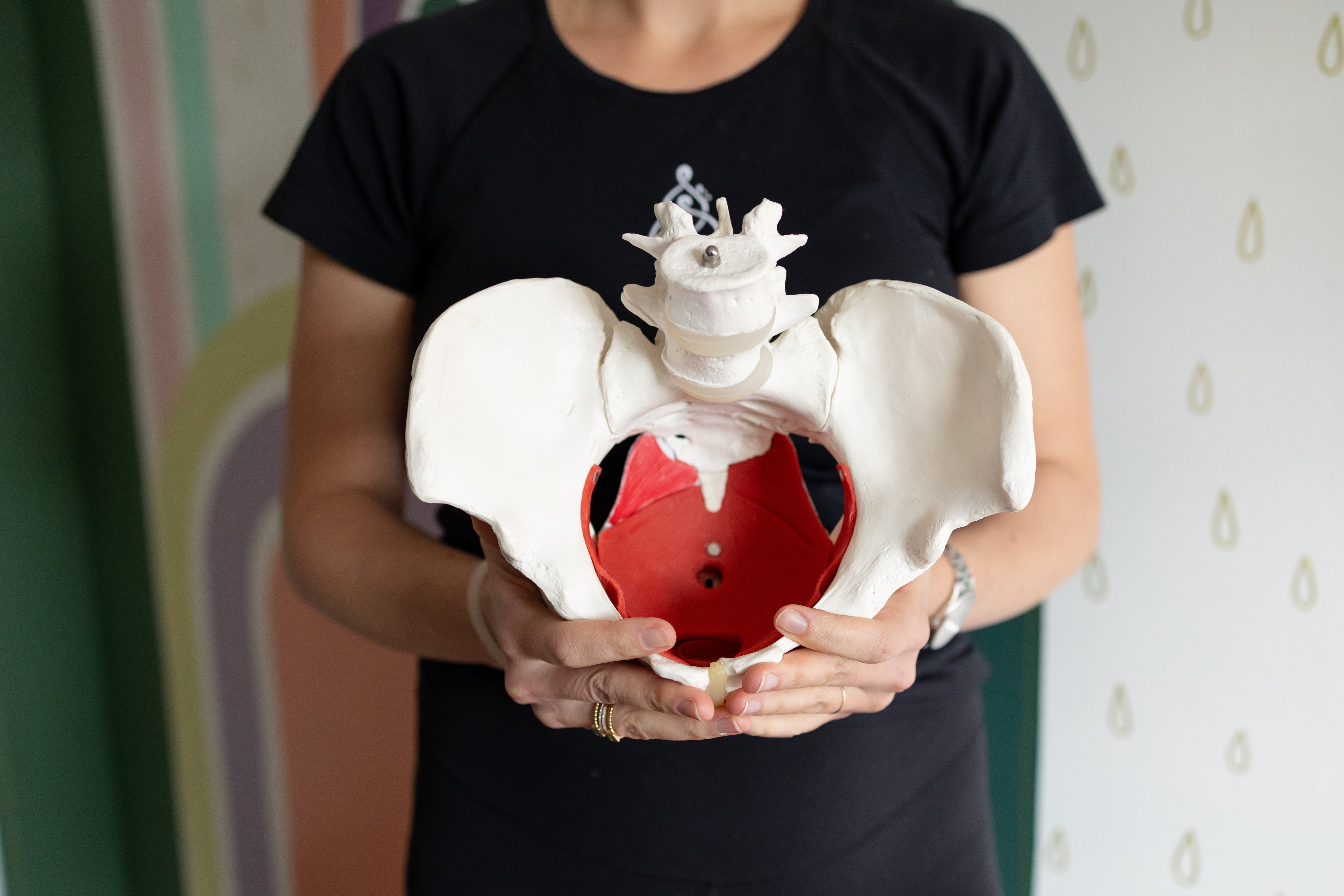
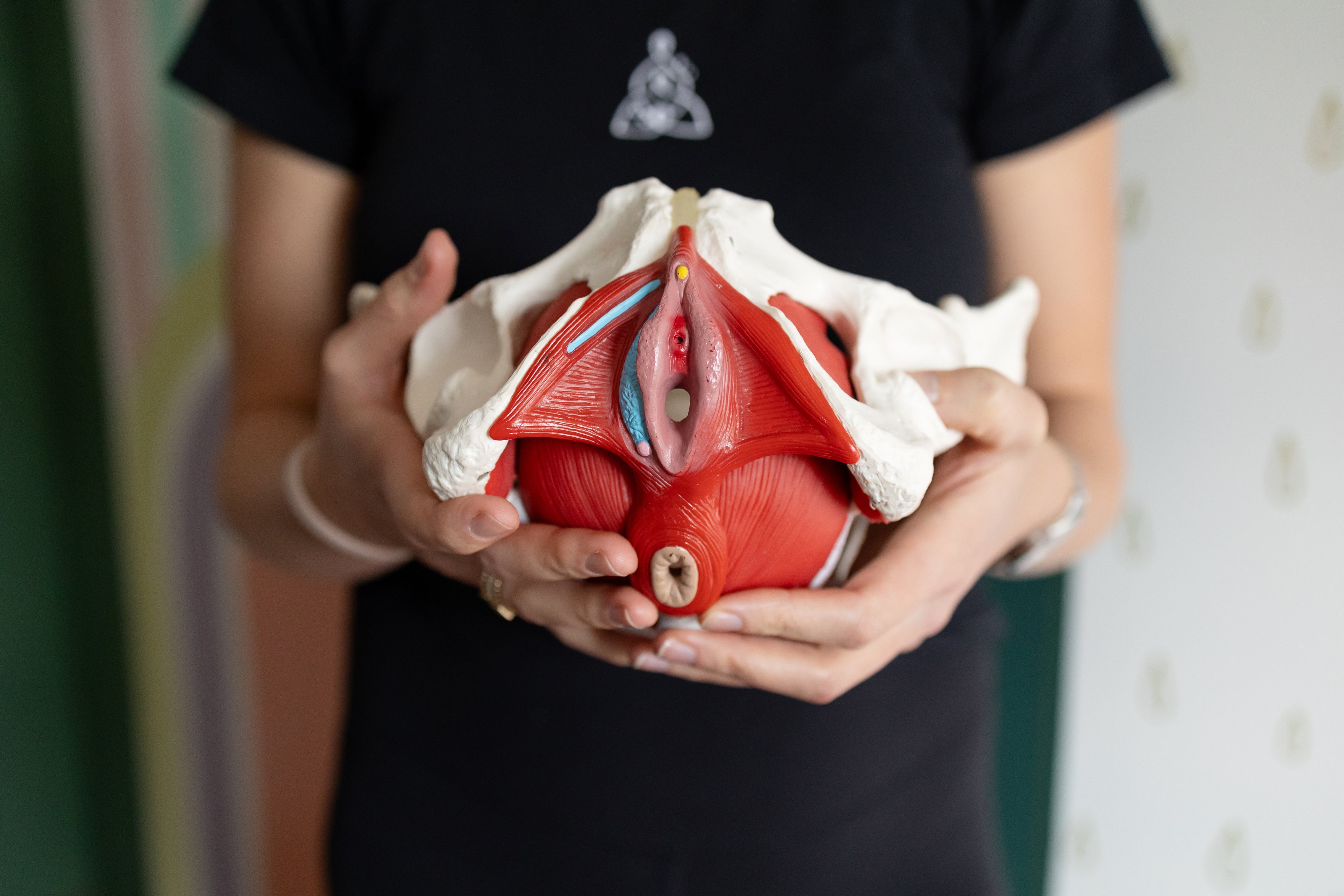
Pelvic floor physical therapy is a physical therapy specialty that focuses on helping to address dysfunction of the muscular sling that creates the pelvic floor and the muscles surrounding it.
Pregnancy as well as labor and delivery can contribute to a lot of changes in this area of the body that can cause a number of different symptoms.
Pelvic floor symptoms may originate from weakness in these muscles, tension or inability to relax, poor coordination, or weakness in the surrounding musculature.
Imbalances in the pelvic floor can contribute to symptoms like:
-Urinary/fecal incontinence/leaking
-Urinary urgency/frequency
-Prolapse/heaviness
-Diastasis recti
-Pelvic girdle pain
-Painful intercourse
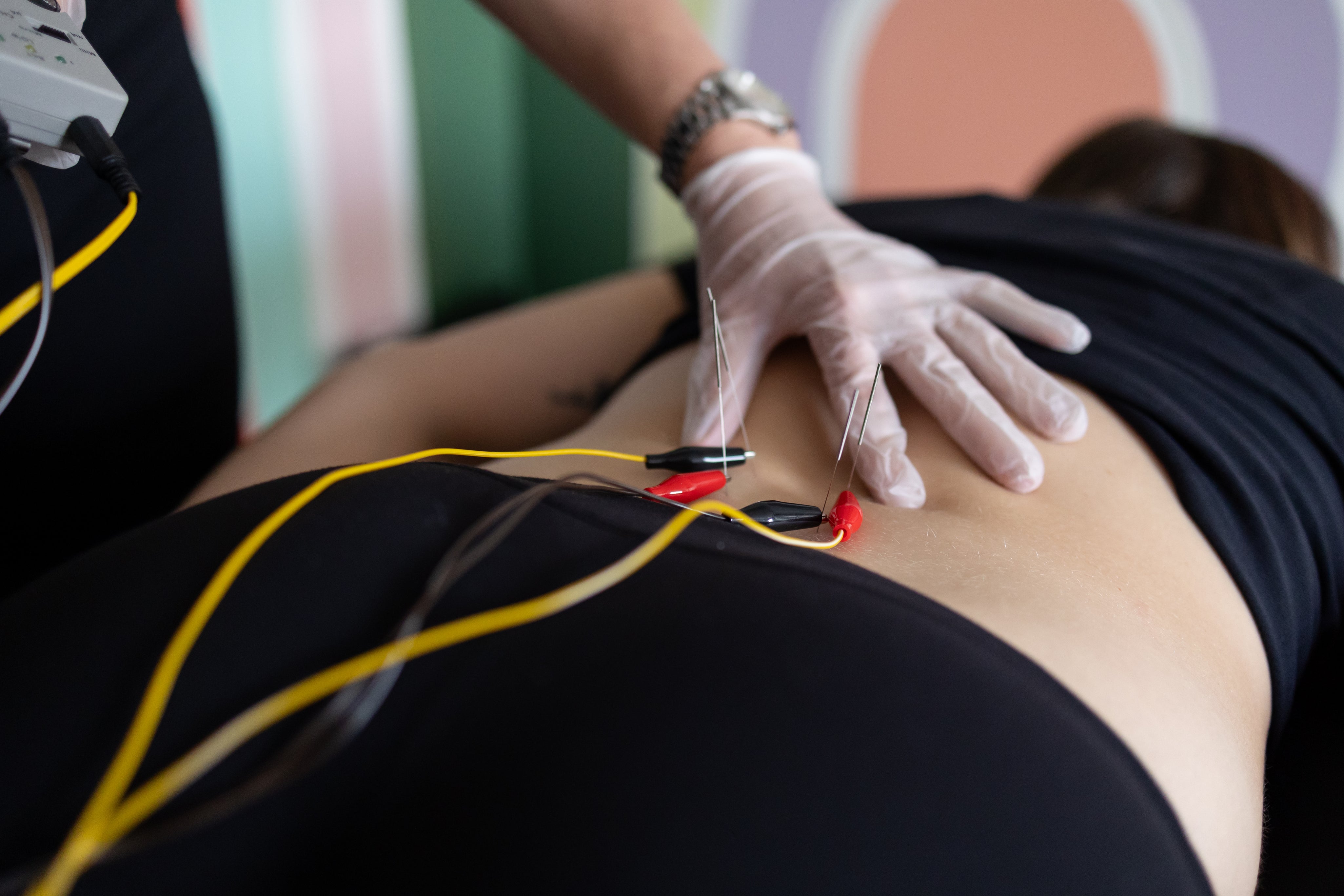
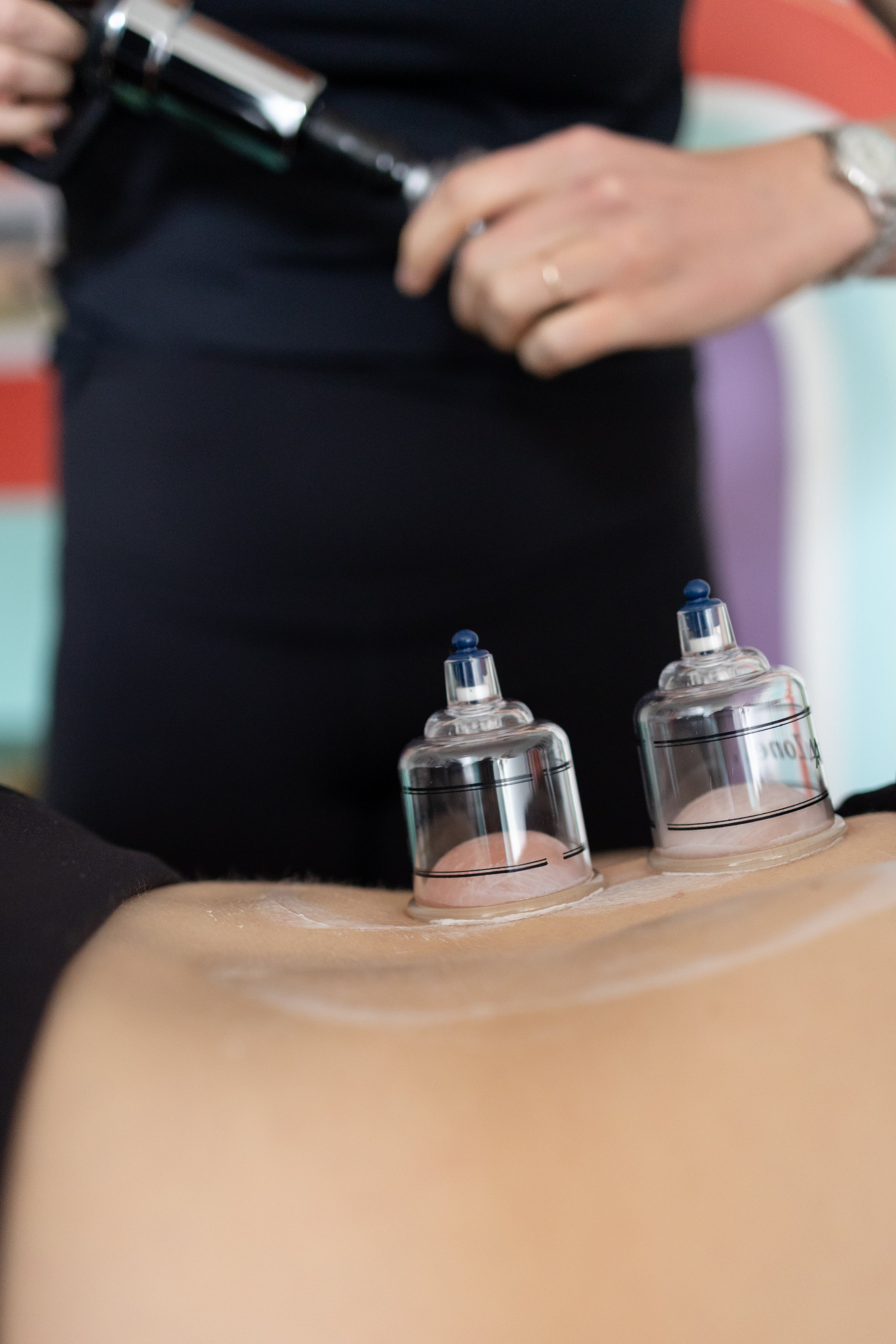
By addressing muscular imbalance (loosening the tight stuff, strengthening the weak stuff), these symptoms can be resolved. Tools like dry needling, cupping, as well as assigning you things to work on and think about at home can help speed the process.
How Do I Know If I Need Pelvic Floor PT?
Consider pelvic floor PT if you're experiencing the symptoms listed, such as leaking, pressure, constipation, painful intercourse, pelvic pain, C-section discomfort, core weakness, or difficulty returning to exercise.
You don't need to have a major problem to benefit from an assessment.
What is dry needling?
Dry needling is a form of manual therapy that uses small, monofilament needles to address muscle tension below the level of the skin. It allows the therapist to address tissue deeper than they can with their hands.
Dry needling is an effective tool to help “reset” muscle and fascial tissue. This might mean releasing muscle tension in trigger points or helping poorly functioning muscles fire better. The result is decreased pain, improved range of motion, and improved muscle function.
Dry needling should generally be part of an overall treatment plan to help address muscular imbalance and weakness as well addressing other range of motion deficits in joints and other tissues. When used in the context of other treatments as part of an overall plan of care, dry needling often helps people recover and achieve their goals more quickly.
What is cupping?
Cupping is a modality that uses cups to help address myofascial tension. The cups are placed on the skin and a suction force is applied which pulls the skin gently away from the tissues beneath it. This can help bring blood flow which helps with tissue healing and mobility as well as provides a distraction force to the tissue (where most other manual techniques are compressive) to help the layers of tissue (skin, fascia, muscle) slide and glide across each other better.
Cupping can also be combined with movement (either moving the cups or moving the affected body part) to help bring more movement to the target tissue.
Pelvic floor physical therapy can be so helpful both during pregnancy and after baby arrives. Things like leaking, heaviness, painful sex, pubic pain, or SI joint pain are common during pregnancy - but they’re not things you just have to “live with.” You don’t have to wait until postpartum to feel better. Gentle, pregnancy-safe manual therapy and specific exercises can help ease those symptoms now and even set you up for a smoother recovery after birth.
Even if you’re not having symptoms, pelvic floor PT can be a great way to prepare for delivery. We can look at how your pelvic floor is working, help release extra tension, and teach you how to push effectively during labor. A little preparation can make a big difference in how you feel during and after birth.
Postpartum pelvic floor PT helps with leaking, pelvic pressure, painful intercourse, core weakness, diastasis recti, constipation, and pelvic or low back pain. We help you reconnect your core and pelvic floor and confidently return to everyday movement and exercise.
C-section recovery involves more than letting the incision heal. Pelvic floor PT can help with scar mobility, sensitivity, abdominal tightness, core strength, and reconnecting your breath, core, and pelvic floor after birth.
Pelvic pressure, heaviness, or bulging can be signs of pelvic organ prolapse. Pelvic floor PT can help improve strength, coordination, pressure management, and confidence with daily activity and exercise.
Pregnancy and birth can contribute to tailbone pain. Because the pelvic floor attaches around the tailbone, treatment may include pelvic floor muscle work, mobility, positioning, and exercises for the hips, pelvis, and core.
Pain at the front of the pelvis with walking, stairs, rolling in bed, or getting dressed may be related to SPD or pubic symphysis pain. Pelvic floor PT can help improve pelvic stability, strength, and movement strategies during pregnancy and postpartum.
Returning to running postpartum requires more than being medically cleared. We assess your pelvic floor, core, hips, strength, impact tolerance, and symptoms to help you safely and confidently return to running.
It depends on your symptoms and goals. Some women need only a few visits and at-home guidance, while others benefit from more support. We don't require long, predetermined treatment plans. We'll assess where you are and recommend care based on what you actually need.

20 minutes | $60 PROMO
This 20-minute Pilates reformer session features whole body exercises that focus on rebuilding strength in the core muscles. Emphasis will be placed on pelvic floor engagement and proper alignment, which are crucial for postpartum recovery.
The goal is to foster a supportive and fun environment where moms can reconnect with their bodies, improve their strength and flexibility, and ultimately enhance their well-being.
If you already know and love Pilates but find it hard to get a full class in your busy schedule or if you are a newbie and want to just try it out, this is the perfect option for you! This exercise is safe for all stages of pregnancy and once you have been cleared for activity postpartum, usually around 6 weeks.
We are not in-network with any insurance providers. We accept HSA / FSA , credit and debit cards.
Yes, you will need a new patient pelvic floor exam to evaluate your pelvic floor needs.
Pelvic Floor Physical Therapy has a longer appointment time.
No, you do not have to do an internal exam if you would prefer not to. We do include that option in our new patient visit so the doctors can fully asses the pelvic floor needs.
NO! Pelvic floor physical therapy can be for all women. Our doctors can also asses and treat different conditions you may be experiencing outside of the pelvic floor.