
Specialized Pelvic Floor PT
-cozy environment
-door locked for privacy
-safe place space for your littles
Previous chiropractic patients will need to schedule the NEW PATIENT visit with Dr. Elissa to start pelvic floor care.

Specialized Pelvic Floor PT
-cozy environment
-door locked for privacy
-safe place space for your littles
Previous chiropractic patients will need to schedule the NEW PATIENT visit with Dr. Elissa to start pelvic floor care.
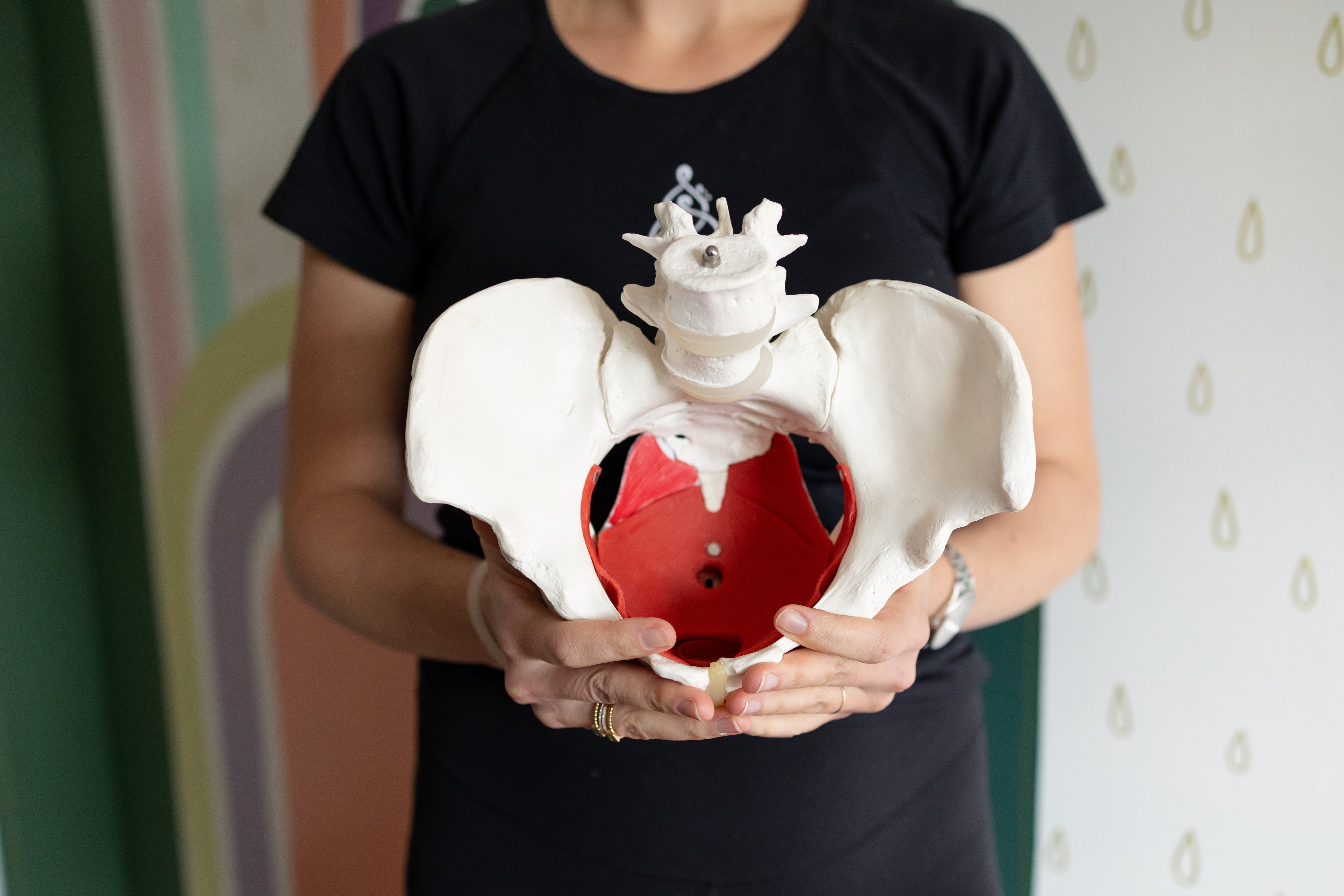
Pelvic floor physical therapy is a physical therapy specialty that focuses on helping to address dysfunction of the muscular sling that creates the pelvic floor and the muscles surrounding it.
Pregnancy as well as labor and delivery can contribute to a lot of changes in this area of the body that can cause a number of different symptoms.
Pelvic floor symptoms may originate from weakness in these muscles, tension or inability to relax, poor coordination, or weakness in the surrounding musculature.
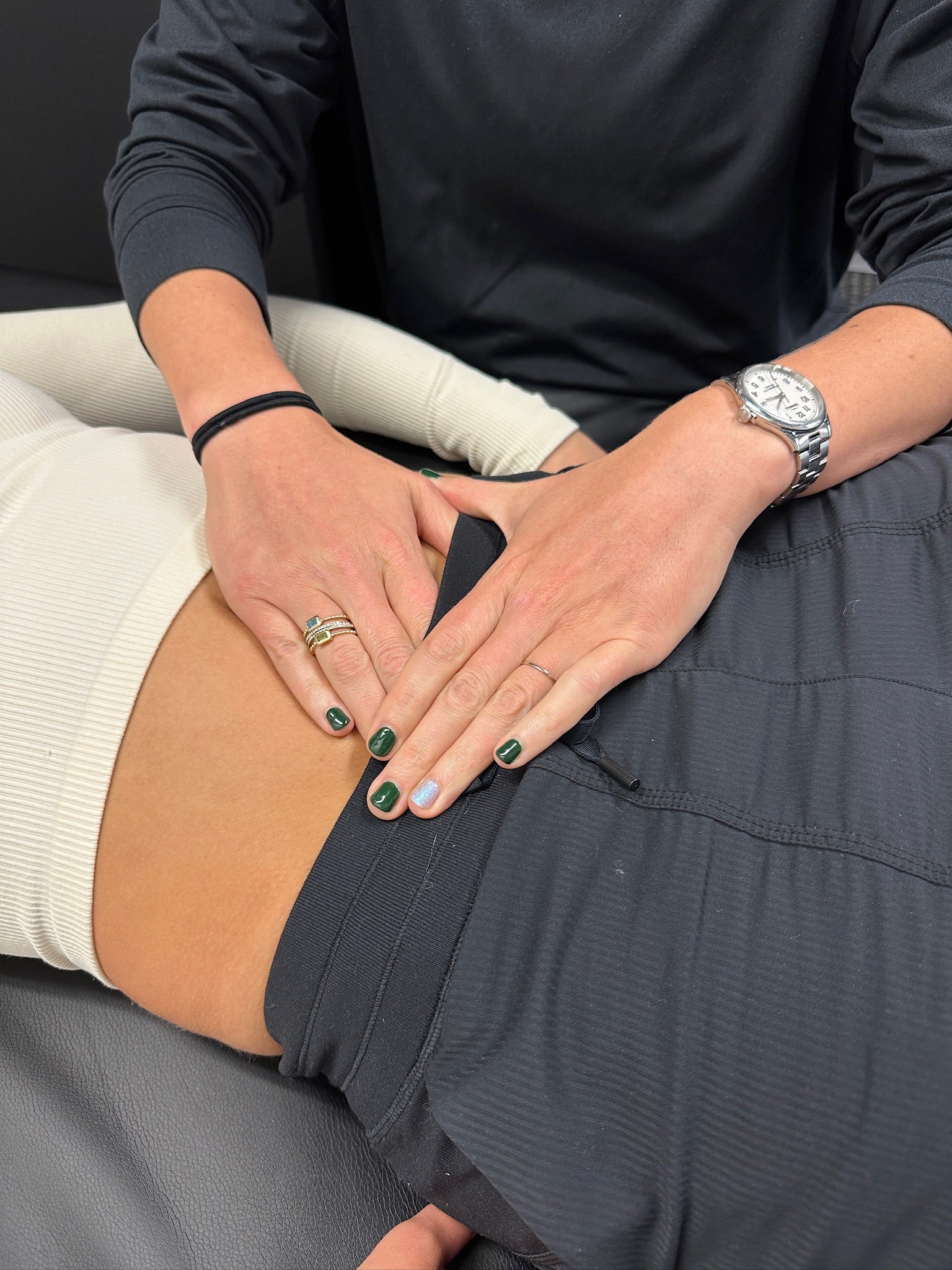
Imbalances in the pelvic floor can contribute to symptoms like:
—Urinary/fecal incontinence/leaking
—Urinary urgency/frequency
—Prolapse/heaviness
—Diastasis recti
—Pelvic girdle pain
—Painful intercourse
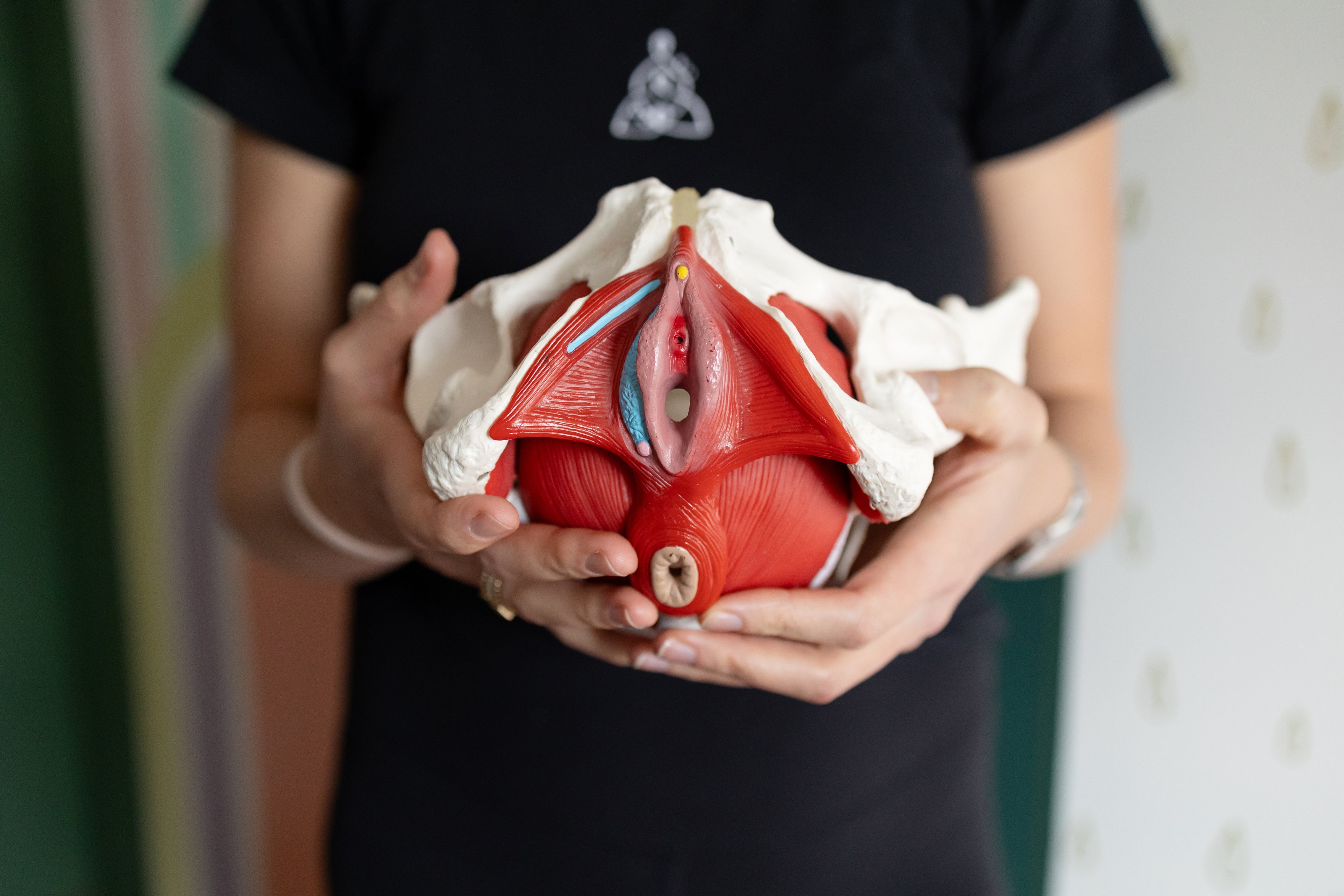
By addressing muscular imbalance (loosening the tight stuff, strengthening the weak stuff), these symptoms can be resolved. Tools like dry needling, cupping, as well as assigning you things to work on and think about at home can help speed the process.
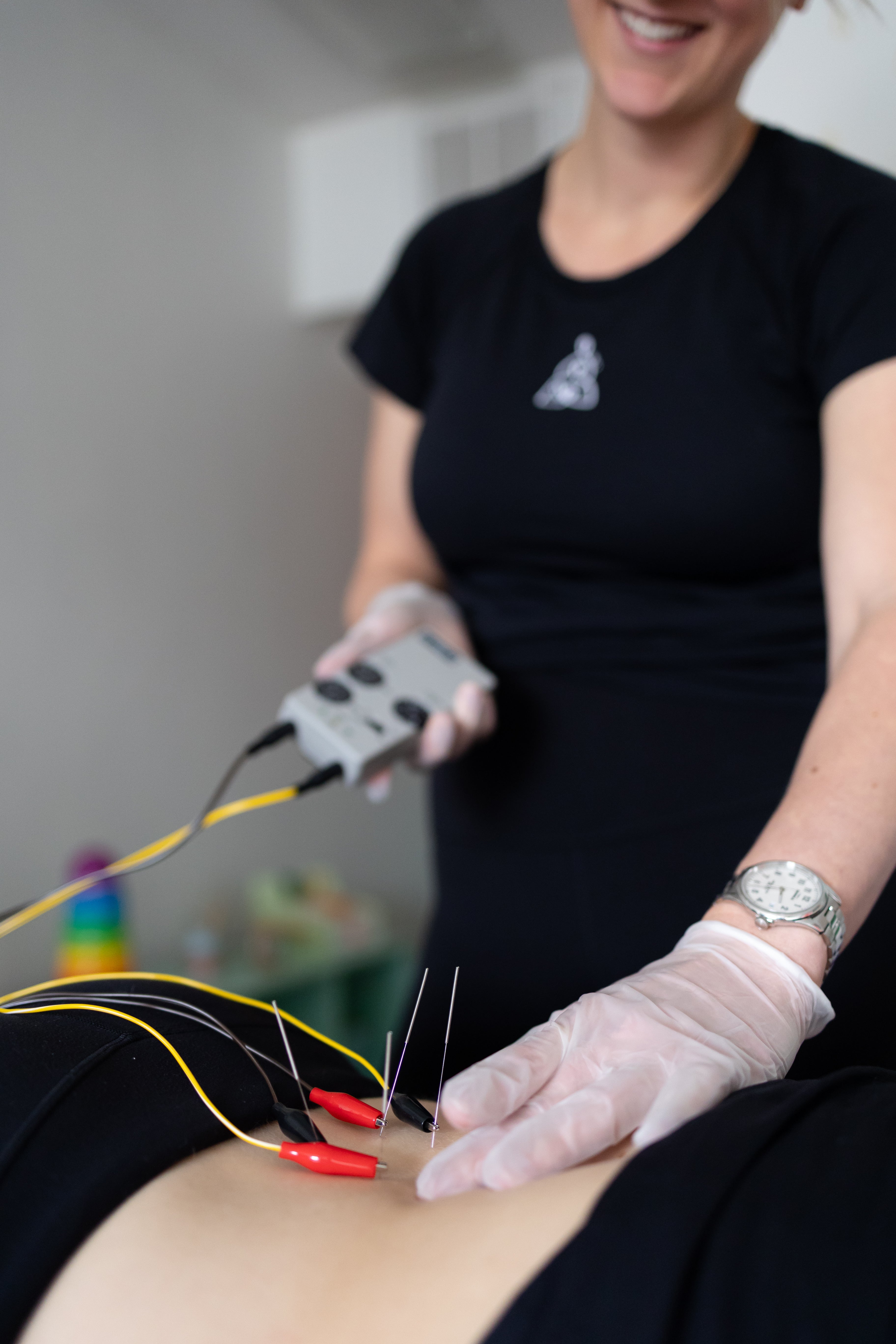


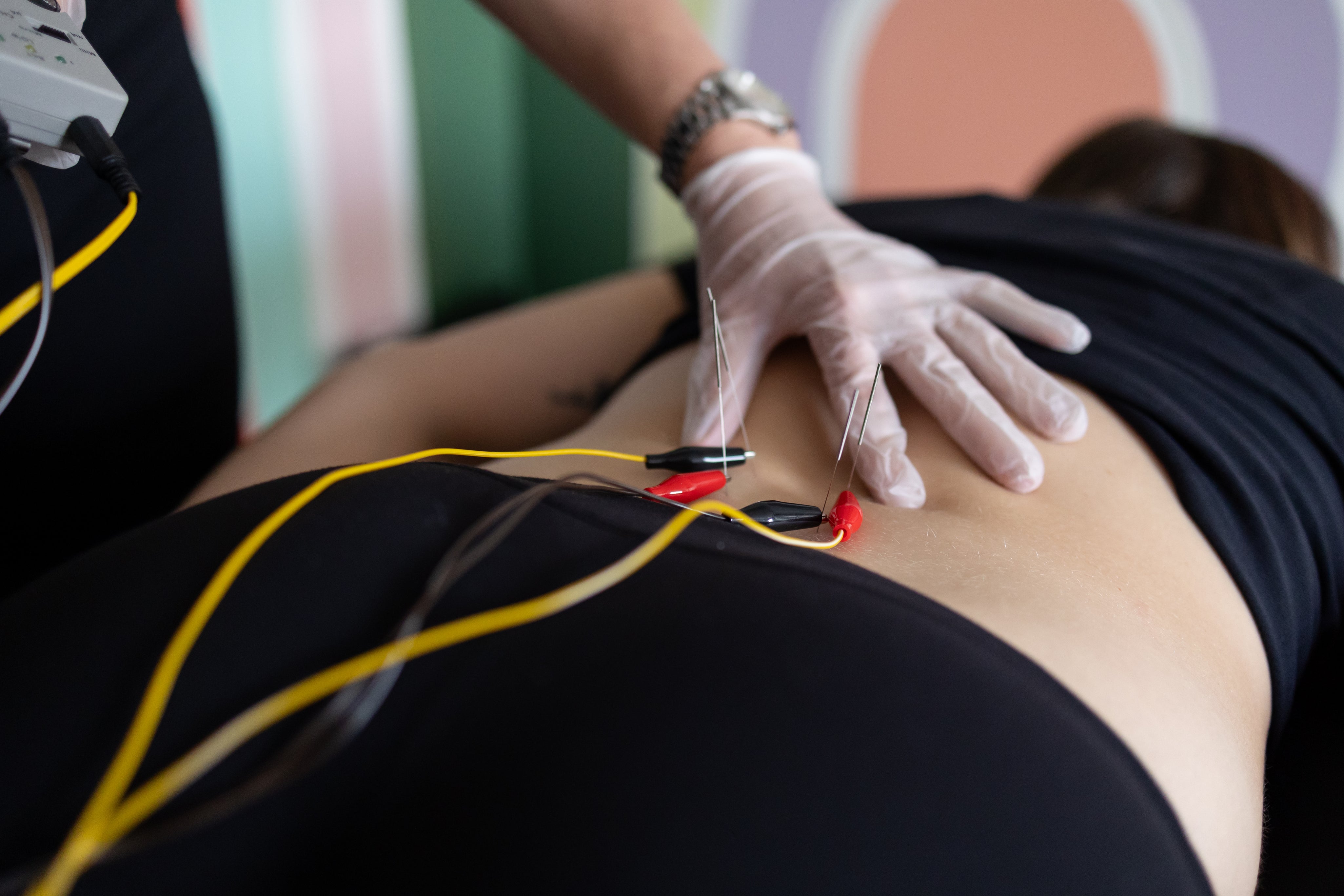
Dry needling is a form of manual therapy that uses small, monofilament needles to address muscle tension below the level of the skin. It allows the therapist to address tissue deeper than they can with their hands.
Dry needling is an effective tool to help “reset” muscle and fascial tissue. This might mean releasing muscle tension in trigger points or helping poorly functioning muscles fire better. The result is decreased pain, improved range of motion, and improved muscle function.
Dry needling should generally be part of an overall treatment plan to help address muscular imbalance and weakness as well addressing other range of motion deficits in joints and other tissues. When used in the context of other treatments as part of an overall plan of care, dry needling often helps people recover and achieve their goals more quickly.
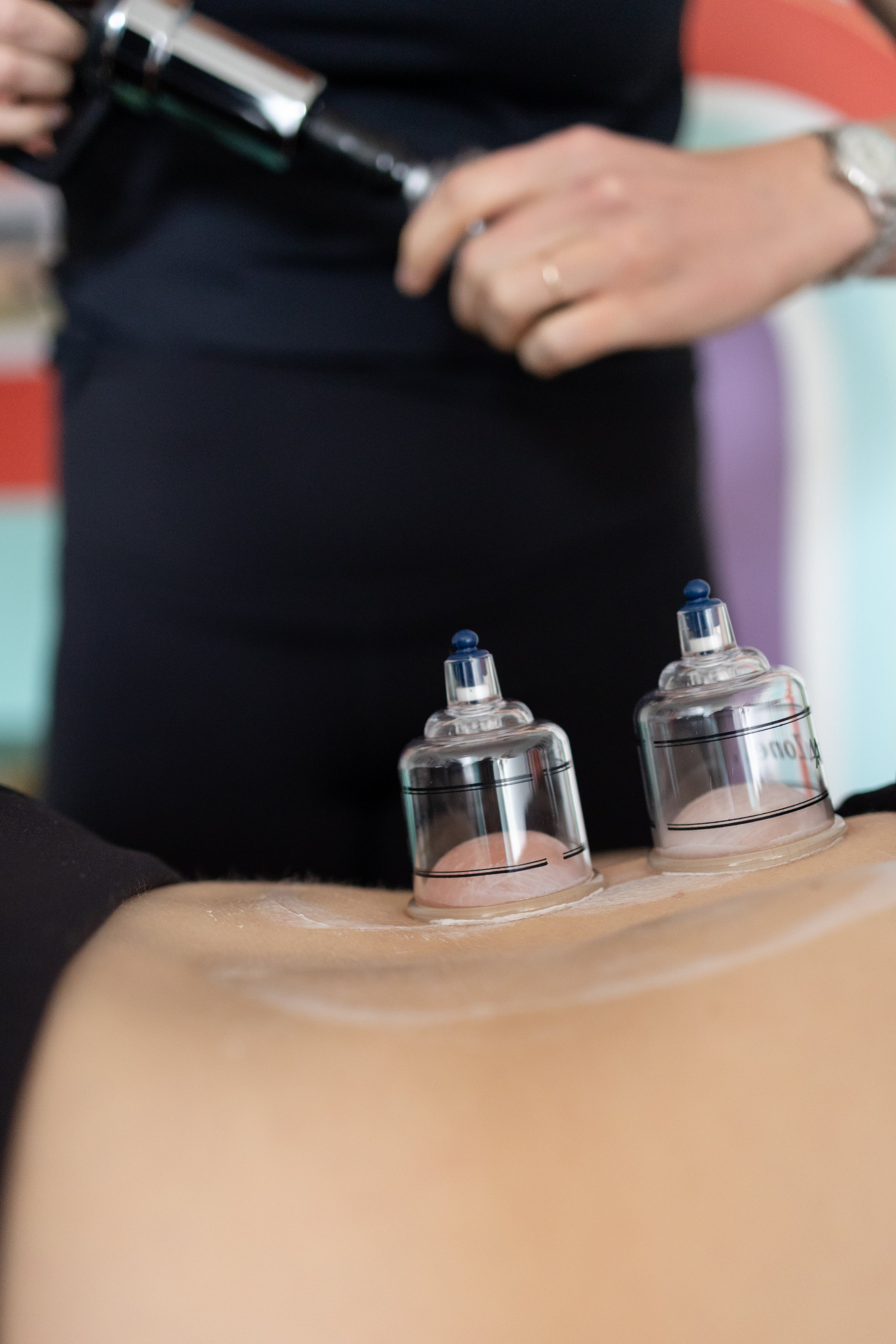
Cupping is a modality that uses cups to help address myofascial tension. The cups are placed on the skin and a suction force is applied which pulls the skin gently away from the tissues beneath it. This can help bring blood flow which helps with tissue healing and mobility as well as provides a distraction force to the tissue (where most other manual techniques are compressive) to help the layers of tissue (skin, fascia, muscle) slide and glide across each other better.
Cupping can also be combined with movement (either moving the cups or moving the affected body part) to help bring more movement to the target tissue.

Our physical therapist Dr. Elissa Cohen can also assess and treat different conditions you may be experiencing outside of the pelvic floor. Mom'ing is hard and sometimes injuries in other areas of your body happen - like elbow pain, shoulder pain, or hip pain. We can use the tools we have - dry needling, cupping, manual therapy, and rehabilitation exercises in addition to sending you home with things to work on to help address these other areas of aches and pains.
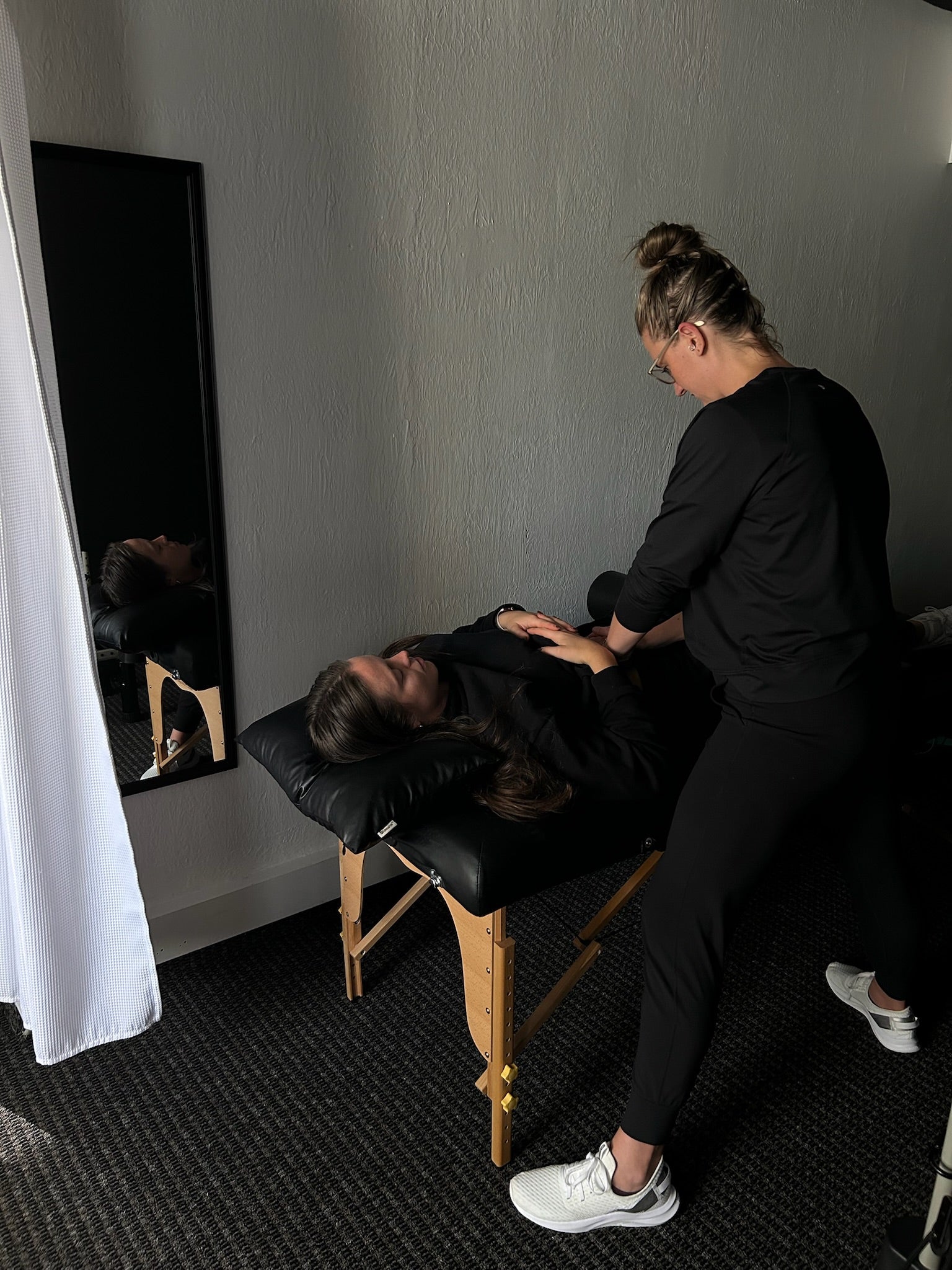
Pelvic floor physical therapy can be so helpful both during pregnancy and after baby arrives. Things like leaking, heaviness, painful sex, pubic pain, or SI joint pain are common during pregnancy—but they’re not things you just have to “live with.” You don’t have to wait until postpartum to feel better. Gentle, pregnancy-safe manual therapy and specific exercises can help ease those symptoms now and even set you up for a smoother recovery after birth.
Even if you’re not having symptoms, pelvic floor PT can be a great way to prepare for delivery. We can look at how your pelvic floor is working, help release extra tension, and teach you how to push effectively during labor. A little preparation can make a big difference in how you feel during and after birth.
And once baby is here, pelvic floor PT can support your recovery—helping with things like leaking, urgency, core weakness, or simply knowing when and how to safely return to exercise. Think of it as giving your body the care it deserves after everything it’s done for you.

Our pelvic floor Physical Therapist. She started practicing pelvic floor Physical Therapy after Dr. Jesse convinced her to combine her love of women’s health and Physical Therapy and it ignited a passion in her that changed her career forever.
She is also a mom to two boys that have been a complete blessing to her life. This transition to being a mom has also transformed how she treats patients, as entering into motherhood is such a special and tender time in a woman's life.
She was a collegiate swimmer and she has always been active and athletic but now that looks more like camping in the pop up with her husband and kids, running, biking and being outdoors in the summer, and cold swimming in the winter. She has also recently been dabbling in baking with sourdough and loves sharing the fruits of her labor with family and friends!


We are not in-network with any insurance providers. We accept HSA / FSA , credit and debit cards.
Yes, you will need a new patient pelvic floor exam with Dr. Elissa to evaluate your pelvic floor needs.
Pelvic Floor PT is a different treatment then chiropractic care.
No, you do not have to do an internal exam if you would prefer not to. We do include that option in our new patient visit so Dr. Elissa can fully asses the pelvic floor needs.
NO! Pelvic floor physical therapy can be for all women. Dr. Elissa can also assess and treat different conditions you may be experiencing outside of the pelvic floor.